

Dear Google, Your Cloud Is Great, but..Here Is a Little Feedback
 As a developer with fifteen years of experience in IT, I’ve dedicated the past five years to working with the cloud. I’ve been involved with cloud services from AWS cloud (since 2010) and Azure. A bit over nine months ago, I started working almost exclusively with Google Cloud (GCD) and Google Compute Engine as part of a consulting project I led. The project involved building a backend for a high performance web application. At first, the customer thought to use their own data center, which I discouraged. Then, Google approached them and offered a package that included free support and better pricing for their services, which the customer agreed to take.
I’ve been working on this project for a few months now and in many ways, Google Cloud Platform (GCP) has been great to work with. However, it’s the first time that I’ve seen such great challenges compared to my experience working with other clouds. It feels like these challenges stem from Google’s isolated development culture, with their “my way or the highway” approach. In this article I would like to address these thoughts and provide you with a few suggestions.
(more…)


 The cloud has allowed modern, web-scale IT companies, like Airbnb and Netflix, to grow and flourish into booming enterprises all over the web. With its flexibility and efficiency, it supports the demand of an organization’s growth from zero to millions of users, allowing them to prepare for this potential growth, as well. Before the cloud, simulating millions of concurrent users and running scalability, stress, or stability tests was very hard to implement, if not impossible. Cloud technology has brought software testing, especially performance testing, to a whole new playing field.
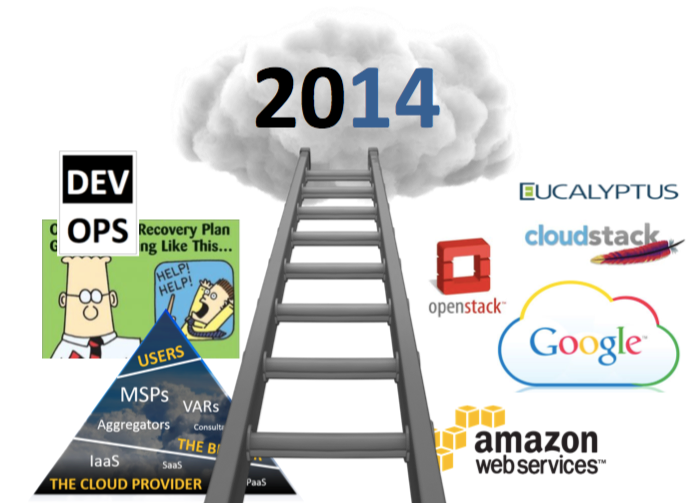 2013 has been incredibly eventful for the cloud industry, mostly for making itself an eminent presence in the mainstream IT market. Businesses of all sizes have made their ways to the cloud,


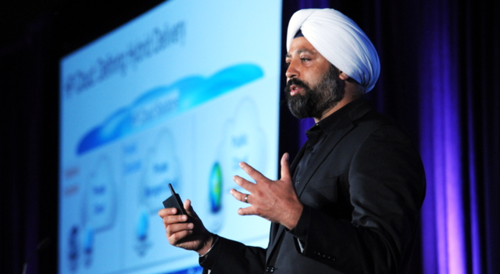 Last month I attended HP Discover (disclosure: my participation was funded by

